
 English
 Français
 Deutsch
 Português
 Español
 русский
  한국어
한국어 العربية
 Italiano
 Indonesia
 Schweiz
 Polski
 Nederlands
 ישראל - עברית
 Perzisch
 ไทย
ไทย 日本語
日本語 ኢትዮ-አማርኛ
 Việt Nam
 Kiswahili
 Srpski
 Ελληνικά
 简体中文
简体中文AC Fan Speed Control: Methods and Limitations Explained
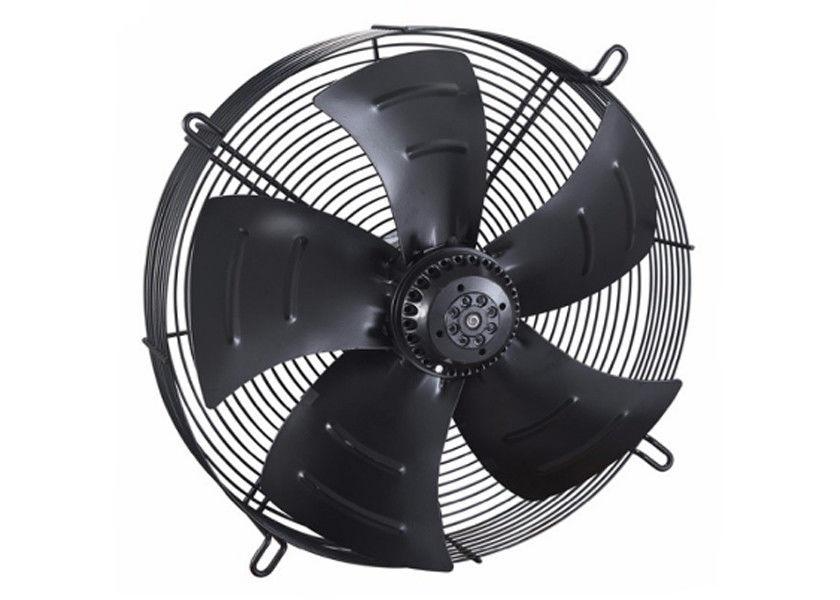 |
AC fans are widely used in HVAC and industrial systems due to their simple structure and low cost. Most of them use asynchronous motors, which are reliable but have a key limitation: speed control is not easy to achieve.
The most common modern method is using a variable frequency drive (VFD). While effective, it increases system cost and introduces harmonic interference, which can lead to issues like vibration, noise, and overheating—ultimately affecting fan lifespan.
In cost-sensitive applications, a traditional solution is still used: series capacitor speed regulation. By connecting capacitors in series, the voltage and current are adjusted to create multiple speed levels. This method keeps the waveform smooth and has minimal impact on the motor, making it a simple and low-cost option.
However, this approach comes with a drawback. Due to continuous charging and discharging, the system operates with a low power factor, reducing overall energy efficiency and putting more strain on the power grid.
For applications requiring higher efficiency and precise control, EC fans are a better alternative. They offer built-in speed regulation, improved energy performance, lower noise, and longer service life—making them ideal for modern systems like data centers and advanced HVAC setups.
Need help choosing the right fan?We offer original brand fans, fast delivery, and professional selection support. Contact us for tailored solutions or EC upgrade recommendations.
 whatsapp


