
 English
 Français
 Deutsch
 Português
 Español
 русский
  한국어
한국어 العربية
 Italiano
 Indonesia
 Schweiz
 Polski
 Nederlands
 ישראל - עברית
 Perzisch
 ไทย
ไทย 日本語
日本語 ኢትዮ-አማርኛ
 Việt Nam
 Kiswahili
 Srpski
 Ελληνικά
 简体中文
简体中文Everyone Is Talking About Liquid Cooling. Here's Why EC Fans Still Matter.
 |
|
Pic.1 @UN SG @antonioguterres urged major Al companies to assess & publicly disclose the environmental impact of data centers |
As AI continues to transform industries, one topic is receiving increasing attention:Water consumption.
Some reports suggest that AI workloads require significant amounts of water for cooling, raising concerns about the sustainability of future data centers.But water isn't the real problem. Heat is.
Every watt consumed by AI servers eventually becomes heat.The challenge isn't simply how to cool a GPU.It's how to remove massive amounts of heat efficiently, reliably, and sustainably.
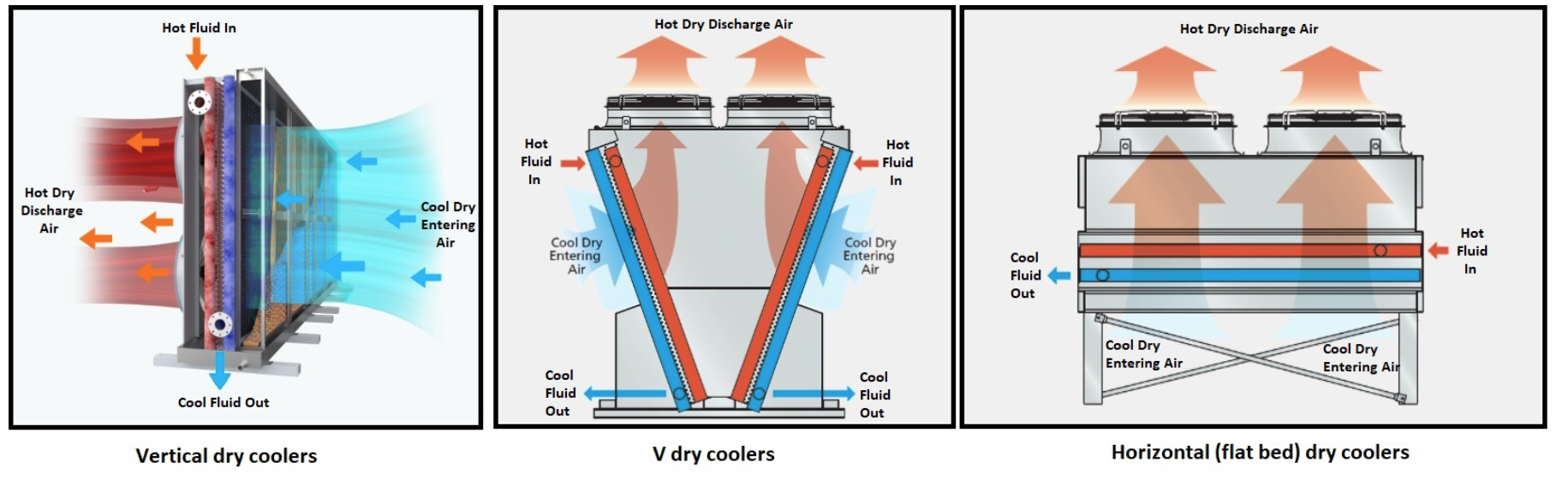
Liquid cooling is rapidly becoming the preferred solution for high-density AI servers.Many assume this means industrial fans will become less important.In reality, liquid cooling changes where fans create value—not whether they're needed.Liquid cooling captures heat directly from processors.But that heat still travels through heat exchangers, dry coolers, chillers, or cooling towers before being released into the atmosphere.
 |
|
Pic.2 Construction of dry cooler(Source from: Vestas aircoil A/S) |
And that final step still depends on high-efficiency airflow.Simply put:Liquid cooling captures heat.——EC fans reject it.These technologies aren't competitors.They're partners.
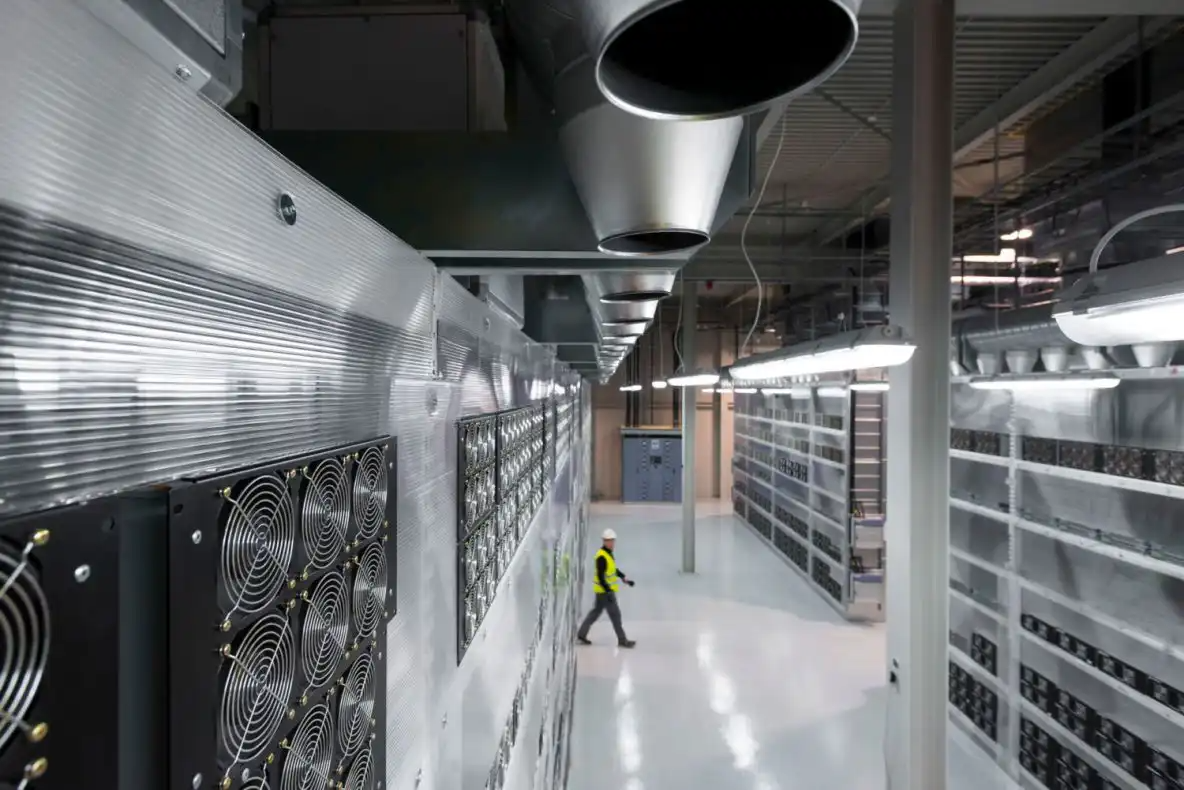
As AI data centers evolve, the role of industrial fans is changing.They're no longer just moving air.They're becoming a critical part of the heat rejection system.
 |
|
Pic.3 EC fans in data center cooling |
Modern operators are looking for cooling solutions that deliver:
• Higher energy efficiency
• Intelligent variable-speed control
• Reliable 24/7 operation
• Lower operating costs
• Better integration with smart building and data center management systems
This is exactly where EC fan technology creates value.
By continuously adjusting airflow to match real-time cooling demand, EC fans help improve overall thermal efficiency while reducing unnecessary energy consumption.
The future isn't about choosing between air cooling and liquid cooling.It's about combining technologies to build more efficient cooling systems.Liquid cooling removes heat where heat density is highest.EC fans efficiently reject that heat to the environment.Together, they help reduce energy consumption, improve cooling performance, and—in many applications—lower water usage.
As AI infrastructure continues to expand, cooling systems will become just as important as computing power itself.
The AI industry doesn't simply need more computing power.It needs smarter thermal management.
At Beijing Hengrui, we believe the role of industrial fans is evolving alongside AI infrastructure.Whether supporting HVAC retrofits, dry coolers, cooling towers, or data center applications, our goal isn't just to supply fans.It's to help customers move heat more efficiently, reduce energy consumption, and build cooling systems that are ready for the AI era.
Because the future of AI won't only be defined by faster chips.It will also be defined by smarter cooling.
 whatsapp


