
 English
 Français
 Deutsch
 Português
 Español
 русский
  한국어
한국어 العربية
 Italiano
 Indonesia
 Schweiz
 Polski
 Nederlands
 ישראל - עברית
 Perzisch
 ไทย
ไทย 日本語
日本語 ኢትዮ-አማርኛ
 Việt Nam
 Kiswahili
 Srpski
 Ελληνικά
 简体中文
简体中文Cooling Is Becoming the Next Critical Infrastructure: Why Airflow Will Define the Future of Digital Infrastructure
For decades, cooling was often considered a supporting system.Buildings needed HVAC. Data centers needed cooling.Industrial equipment needed ventilation.
But the role of cooling is changing.
With the rapid growth of AI computing, high-density servers, energy storage systems, and industrial automation, cooling is no longer just about maintaining temperature.
It is becoming a critical infrastructure that directly impacts performance, reliability, and operational cost.
This is the beginning of a new era: The Cooling Infrastructure Era.
Cooling Demand Is Becoming Structural, Not Temporary
Many technology trends come and go.But the demand for cooling is different.The growth of:
• AI data centers
is creating a long-term increase in thermal management requirements.
The question is no longer:“Do we need cooling?”
The question has become:“How can we design cooling systems that are more efficient, reliable, and scalable?”
Cooling is moving from an operational necessity to a strategic infrastructure investment.
 |
|
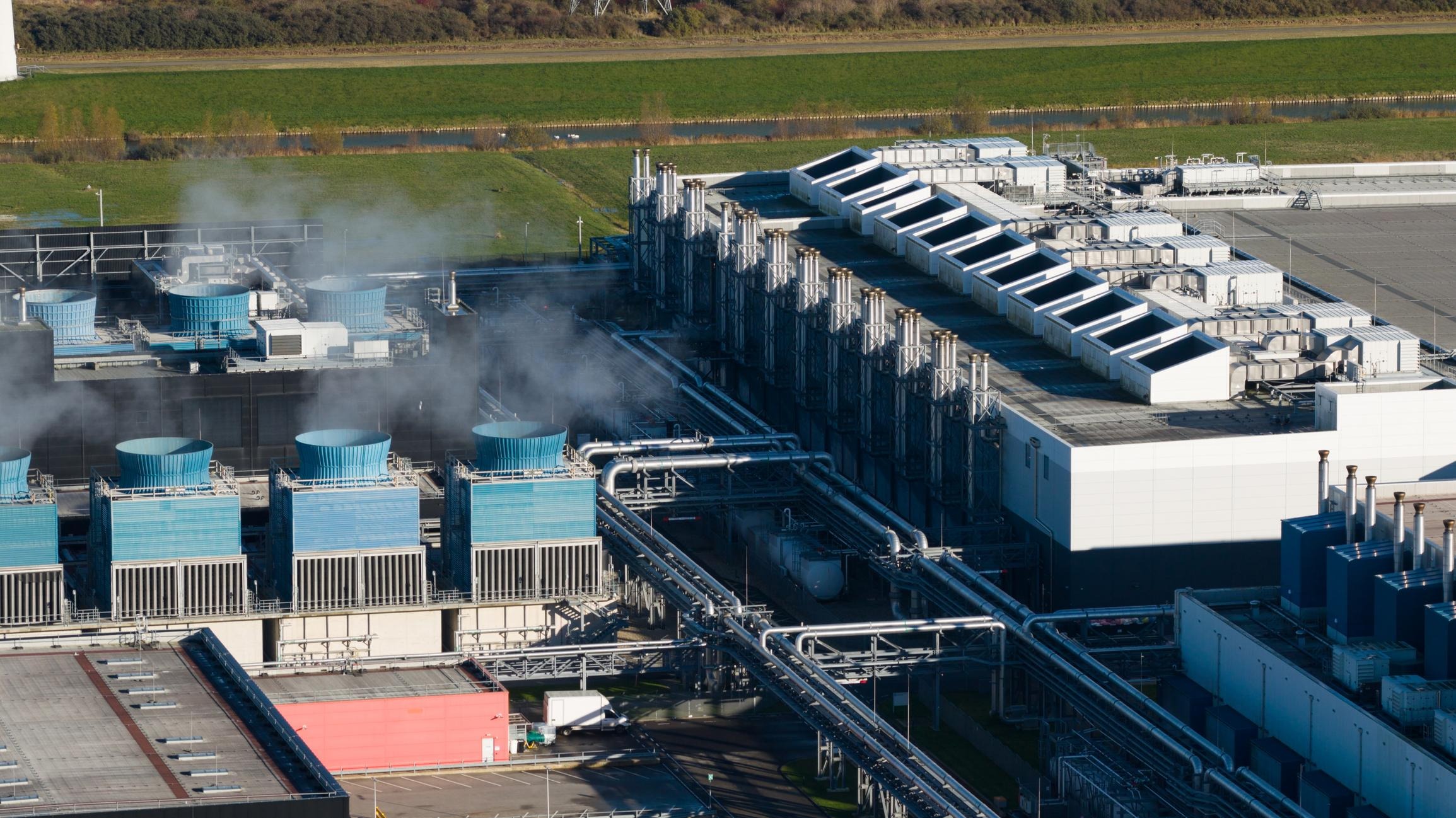
Pic.1 Industrial cooling towers releasing steam at modern factory |
AI Is Reshaping Cooling, Not Just Computing
The AI revolution is not only changing processors and servers.It is changing the entire thermal design philosophy.
Traditional data center cooling focused on:
• Managing room temperature
However, AI workloads introduce:
• Higher rack power density
 |
|
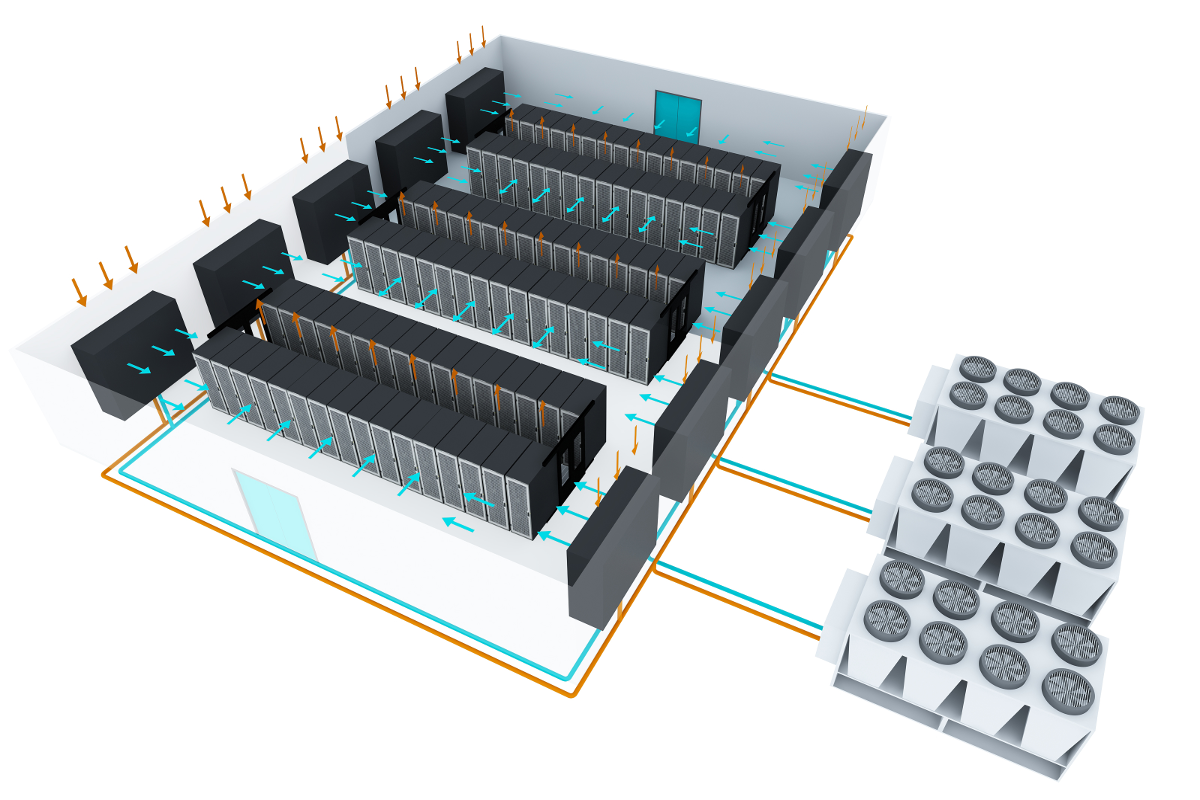
Pic.2 Al-enhanced version of Cooling System Optimizer(Source from Modine Manufacturing) |
This means cooling systems must become:More intelligent+More adaptive+More efficient.
The future of cooling is not simply adding more cooling capacity.It is optimizing how every unit of airflow is generated, distributed, and controlled.
 |
|
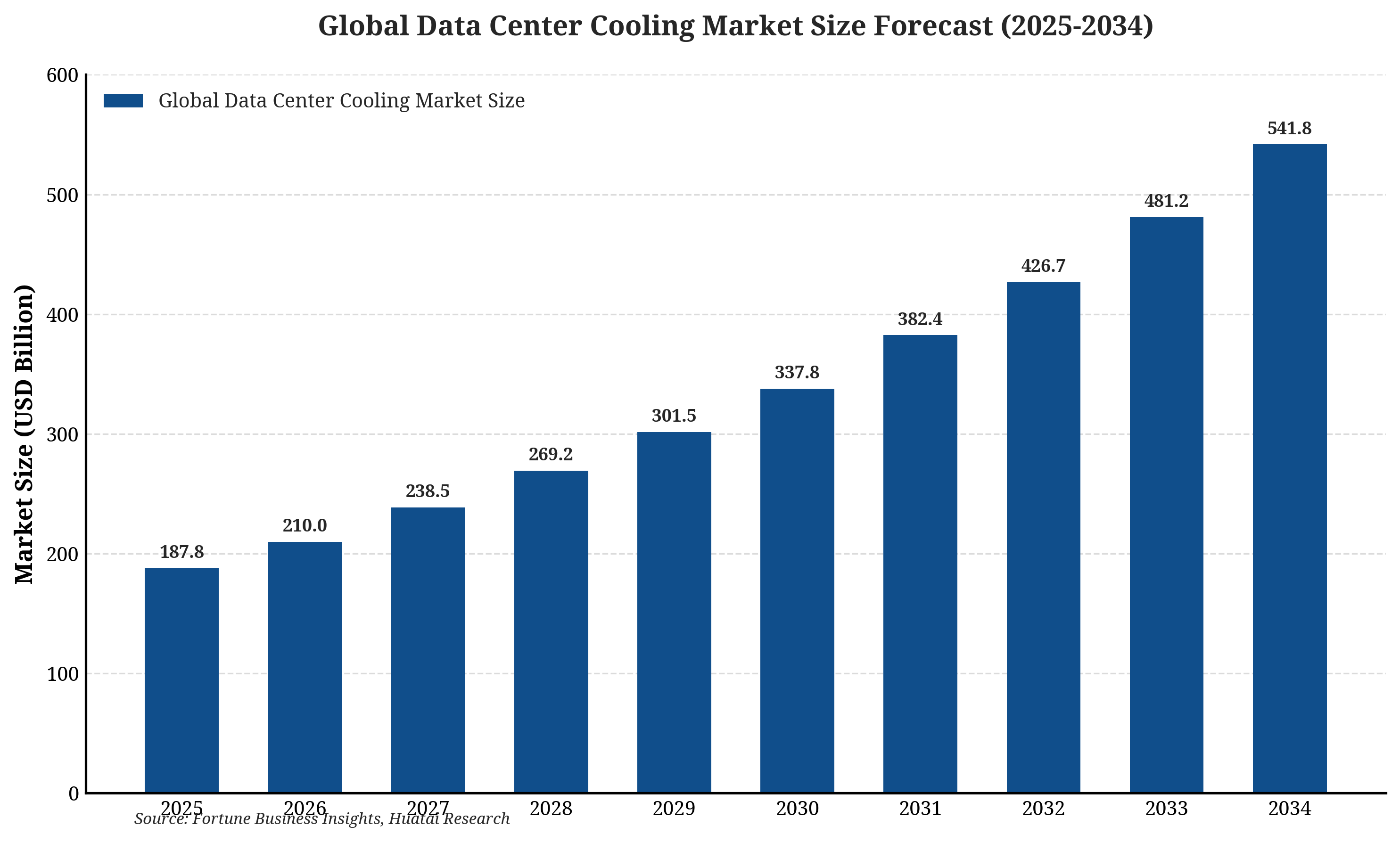
Pic.3 Global data center cooling market size |
Airflow Is Becoming a Valuable Engineering Resource
Temperature is only the result.Airflow is the process.
A cooling system can have powerful equipment, but without proper airflow management, energy is wasted and performance suffers.
In modern cooling applications, airflow determines:
• Heat transfer efficiency
This is why fan technology is becoming increasingly important.The fan is no longer just a component that moves air.It is a key control point between energy input and thermal performance.
 |
|
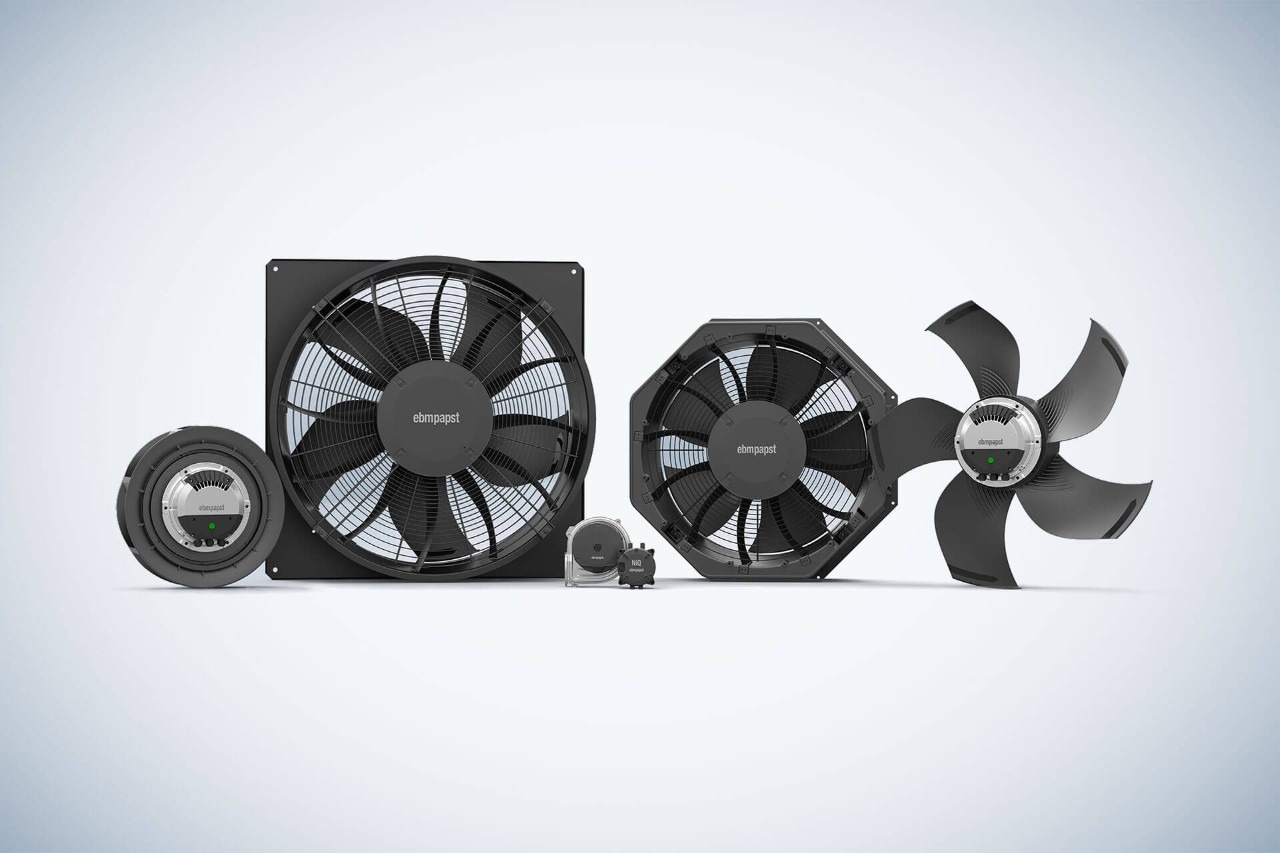
Pic.4 ebm-papst fan products |
Fan Selection Is Becoming System Engineering
In the past, fan selection was often treated as a simple specification exercise:“How much airflow can this fan provide?”But real-world performance depends on much more:
• Operating point
A fan that performs well in free air may fail completely when installed inside a real system.The future of fan selection is not choosing the biggest fan.It is engineering the right airflow solution for the entire system.
 |
|
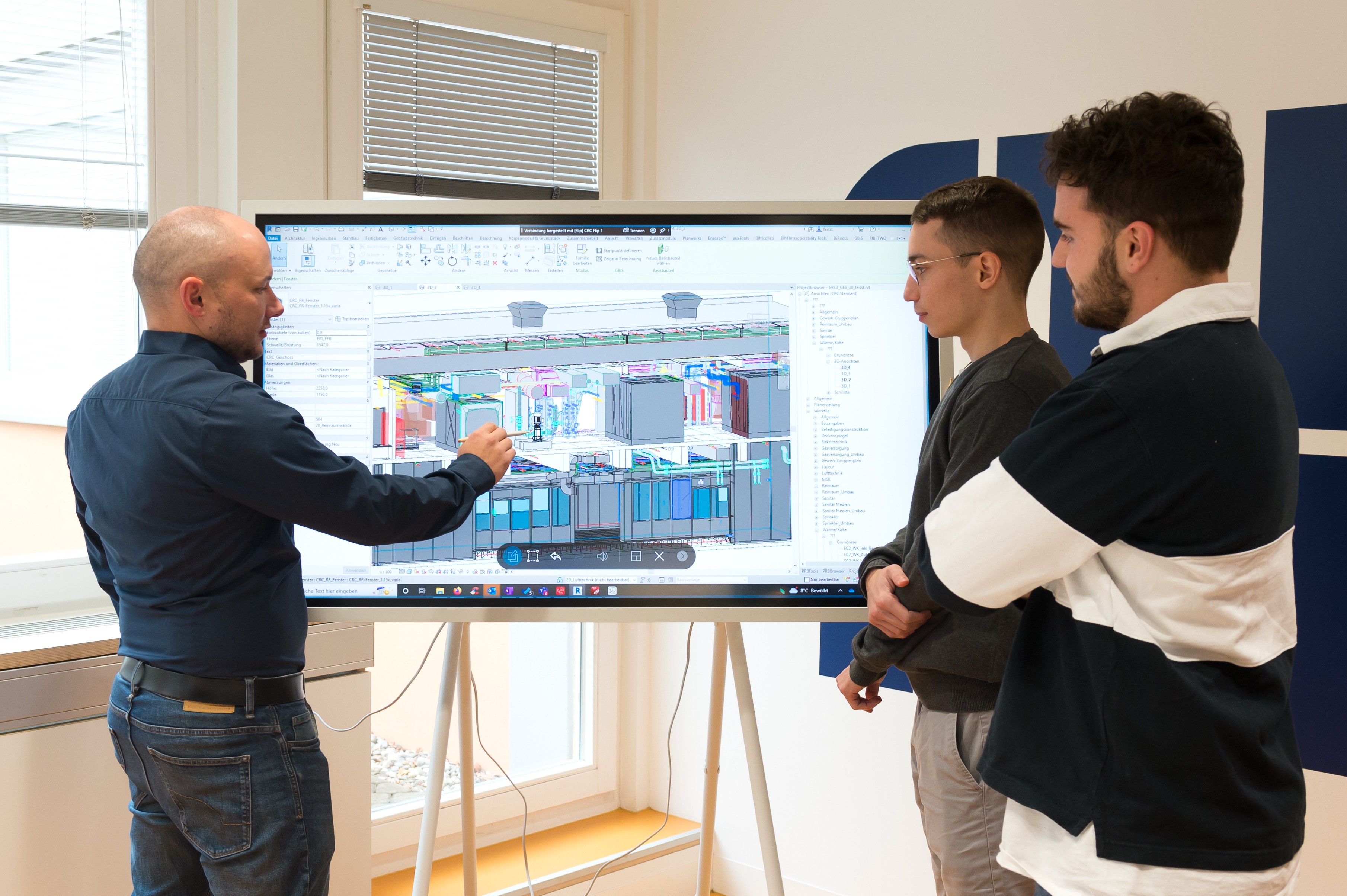
Pic.5 TGA system planning in the field of cooling technology |
From Fan Supplier to Cooling Infrastructure Partner
At Beijing HENGRUI, we believe the future of cooling will be defined by system thinking.
Our role is not only supplying fans——It is helping engineers and manufacturers solve:
• How to improve AHU efficiency?
From HVAC retrofits to data center cooling, from industrial ventilation to energy storage systems, airflow is becoming one of the most important design factors.
Are you working on an HVAC retrofit, data center cooling project, or industrial airflow challenge?Let’s discuss how better airflow engineering can improve system efficiency, reliability, and long-term performance.Connect with Beijing HENGRUI to explore your next cooling solution.
 whatsapp


