 English
 Français
 Deutsch
 Português
 Español
 русский
 한국어
 العربية
 Italiano
 Indonesia
 Schweiz
 Polski
 Nederlands
 ישראל - עברית
 Perzisch
 ไทย
 日本語
 ኢትዮ-አማርኛ
 Việt Nam
 Kiswahili
 Srpski
 Ελληνικά
 简体中文
The Next Step in EC Fan Retrofitting: From Energy Efficiency to Data-Driven Performance Management
BeijingHengrui 3-Step Overview
01 — PROBLEM
Traditional EC fan retrofits often focus on replacing inefficient fans and reducing energy consumption. However, without ongoing operational data, it can be difficult to understand long-term system performance or identify developing maintenance issues.
02 — SOLUTION
Combine high-efficiency EC fans with sensors, operational data monitoring, and condition monitoring to improve energy visibility and support more informed maintenance decisions.
03 — KEY RULE
A successful fan retrofit should be evaluated beyond initial energy savings. Consider how the upgraded system will be monitored, maintained, and optimized throughout its operating life.
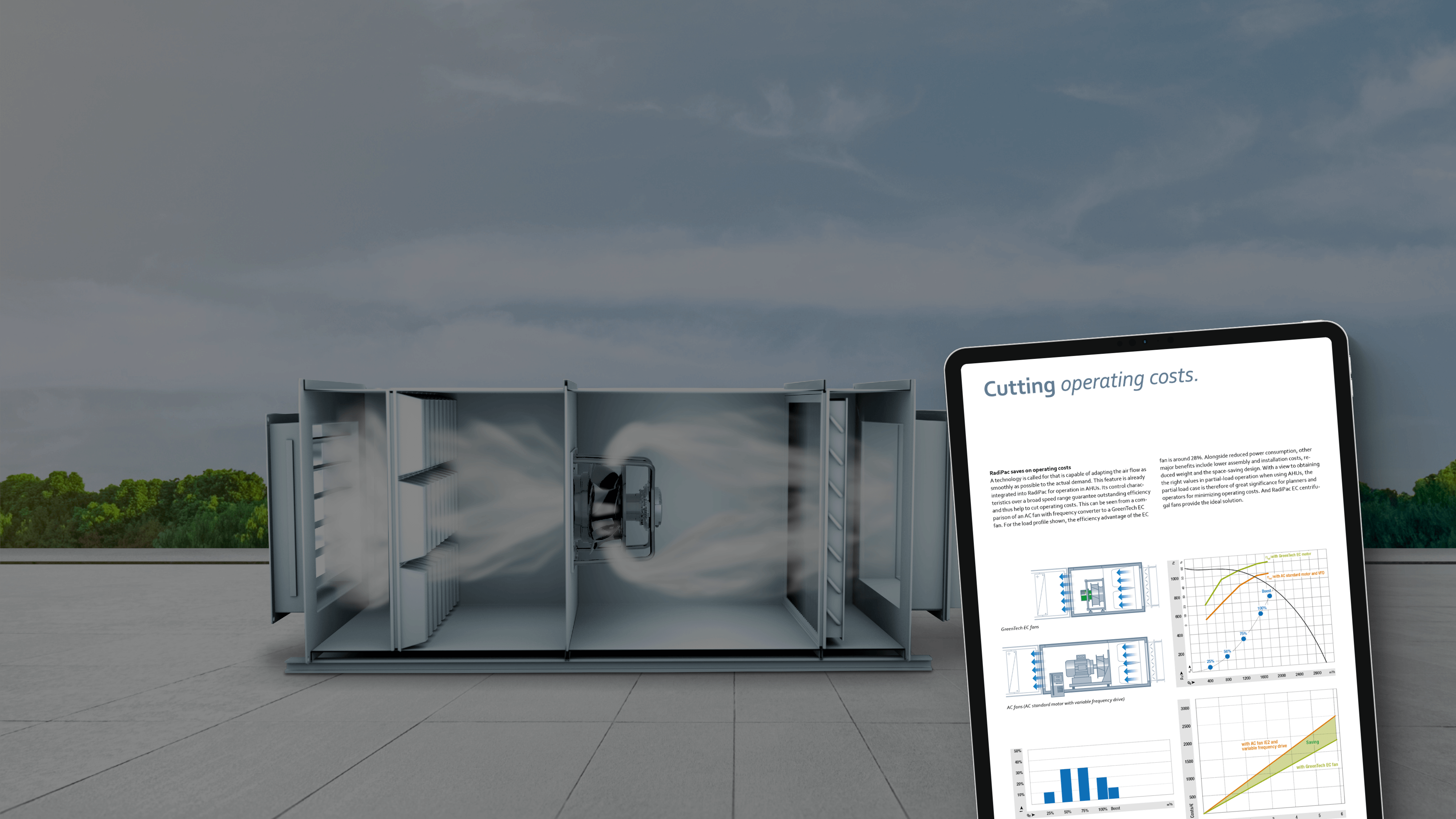
For many years, the primary goal of HVAC fan retrofitting was to replace inefficient fans, reduce electricity consumption, and achieve a reasonable return on investment.
But is replacing the fan enough?
For building owners, HVAC system integrators, and facility managers, the challenge does not end when new fans are installed. They also need to understand how the system performs over time, monitor energy consumption, and identify potential maintenance issues before they lead to unexpected downtime.
This is where the next stage of EC fan retrofitting comes into focus.
Modern fan retrofitting is moving beyond energy efficiency toward operational data monitoring, condition-based maintenance, and smarter performance management.
01 — FROM FAN REPLACEMENT TO SYSTEM PERFORMANCE MANAGEMENT
Traditional fan retrofits mainly focus on three questions:
- How much energy can the new fans save?
- Can they meet the required airflow and static pressure?
- How quickly can the investment be recovered?
These questions remain important, but they do not explain how the system performs after installation.
Operators also need to know whether fans are running as expected, how power consumption changes, whether filters are becoming contaminated, and whether abnormal vibration indicates a potential problem.
Without sufficient operating data, maintenance teams often rely on periodic inspections or reactive repairs.
Connecting EC fan technology with digital monitoring provides a more complete approach:
Efficient EC Fans → Operational Data → Condition Monitoring → Better Maintenance Decisions
02 — CASE STUDY: PANKOW TOWN HALL CENTER, BERLIN
A modernization project at Pankow Town Hall Center in Berlin demonstrates how fan retrofitting can extend beyond equipment replacement.
The building's ventilation systems dated back to the late 1990s. During the retrofit, the existing belt-driven blowers were replaced with 61 RadiPac EC fans across nine ventilation systems, arranged in redundant FanGrid configurations.
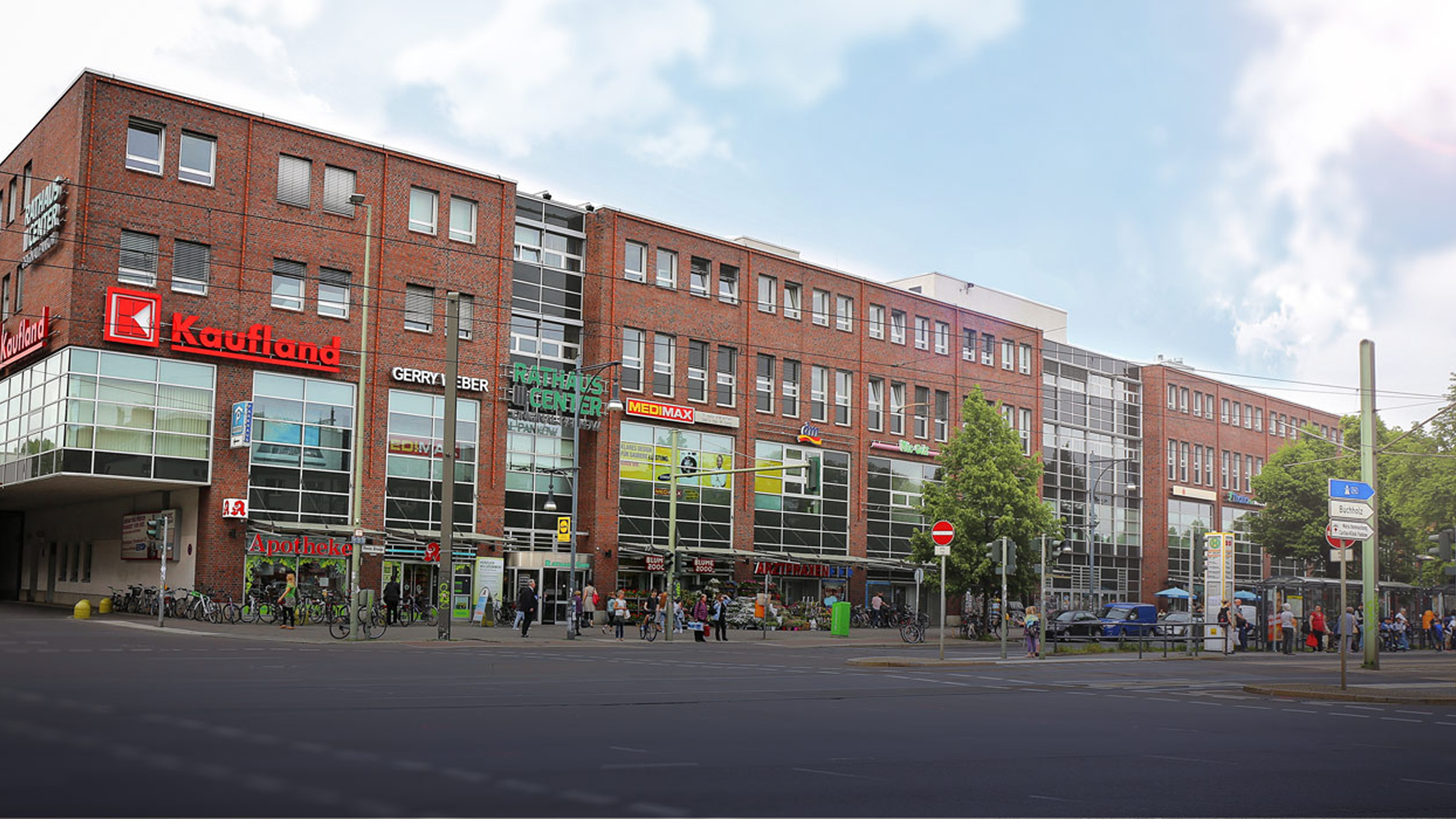
Figure1. The phased replacement of the ventilation systems at the Pankow Town Hall Center energy consumption and maintenance costs by nearly 50%.(Source|ebm-papst)
The project also introduced NEXAIRA.Fit, a digital expansion designed to improve operational transparency.
From Efficient Fans to Digital Monitoring
The gateway records operating parameters such as:
- Power consumption
- Fan speed
- Operating hours
These are supplemented by temperature, CO₂, and VOC measurements. The data is transmitted to the cloud and displayed through a central dashboard.
According to ebm-papst, the project achieved the following results between implementation in 2021 and 2025:
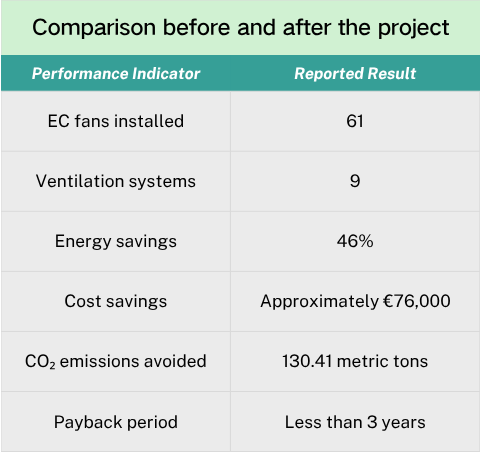
Figure2. Comparison before and after the project
These figures demonstrate the potential of combining EC fan modernization with digital monitoring in an existing building.
Importantly, the 46% energy saving is the reported result of this specific project, not a guaranteed outcome for every EC fan retrofit.
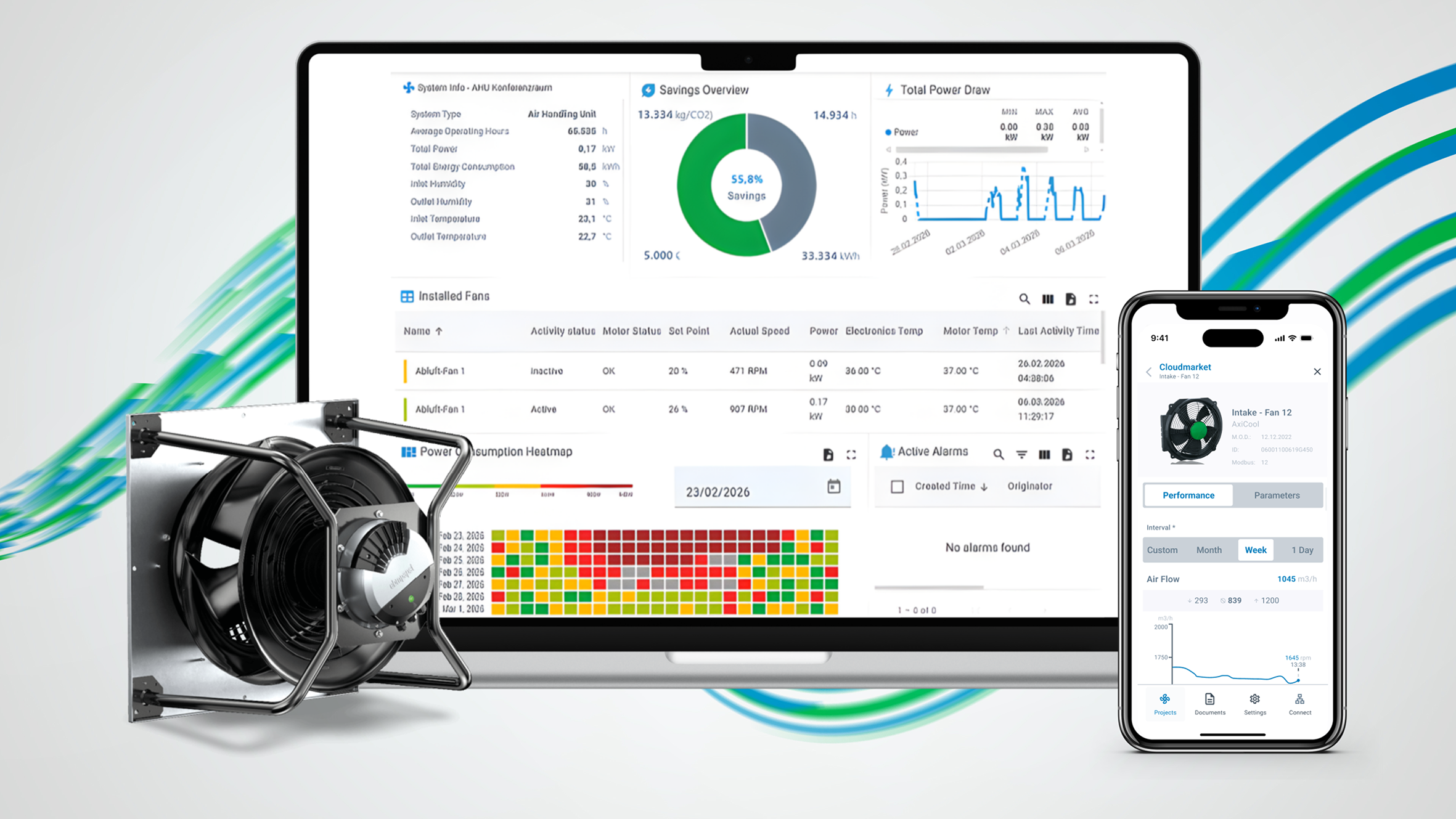
Figure3. With NEXAIRA, ebm-papst offers a digital ecosystem for ventilation and refrigeration systems. The solution combines highly efficient EC fans with data-driven analysis and control methods.(Source|ebm-papst)
03 — WHY OPERATIONAL DATA MATTERS
The Pankow project highlights three important areas where digital monitoring can add value.
1. Energy and Operating Data
Power consumption, fan speed, and operating hours help operators understand how equipment performs over time.
Rather than relying only on rated power or initial energy calculations, facility managers can observe actual operating trends and investigate potential inefficiencies.
2. Equipment Condition Monitoring
Ventilation performance depends on more than the fan itself. Contaminated filters, dirty heat exchangers, and changing operating conditions can all affect system performance.
The NEXAIRA approach described in the project includes vibration monitoring and the detection of contamination in filters and heat exchangers.
This provides maintenance teams with a broader view of equipment and system conditions.
3. From Threshold Alarms to Predictive Maintenance
One particularly interesting capability is estimating how much time remains before a defined differential-pressure threshold is reached.
Traditional monitoring typically triggers an alarm once a preset limit is exceeded. A predictive approach goes further by estimating when that limit is likely to be reached.
This allows maintenance teams to plan inspections or filter replacement more proactively.
The distinction is important:
Reactive maintenance: Respond after a problem occurs.
Condition-based maintenance: Schedule maintenance according to observed equipment conditions.
Predictive maintenance: Use operating data and analysis to estimate future condition changes and support maintenance planning.
Predictive maintenance does not eliminate inspections or guarantee that failures will never occur. Its value lies in providing better information for maintenance decisions.
04 — WHAT THIS MEANS FOR HVAC RETROFIT PROJECTS
The development of data-driven fan retrofitting has implications for different stakeholders.
- For Building Owners and Facility Managers
Energy savings remain important, but long-term operational visibility should also be considered. Monitoring power consumption, operating hours, and system conditions can help evaluate whether the retrofit continues to deliver the expected benefits.
- For HVAC System Integrators
Fan selection should consider more than rated performance. Airflow, static pressure, control requirements, existing system resistance, and monitoring capabilities all influence the final solution.
- For Maintenance and Service Contractors
Operational data can help identify abnormal conditions, prioritize inspections, and plan maintenance activities before minor issues develop into larger problems.
For these stakeholders, the opportunity is to move beyond one-time equipment replacement toward more proactive system management.
05 — WHAT SHOULD BE CHECKED BEFORE A DATA-DRIVEN RETROFIT?
Not every project requires the same level of digitalization. The right approach depends on the existing system, operating requirements, and maintenance objectives.
Before starting a retrofit, evaluate:
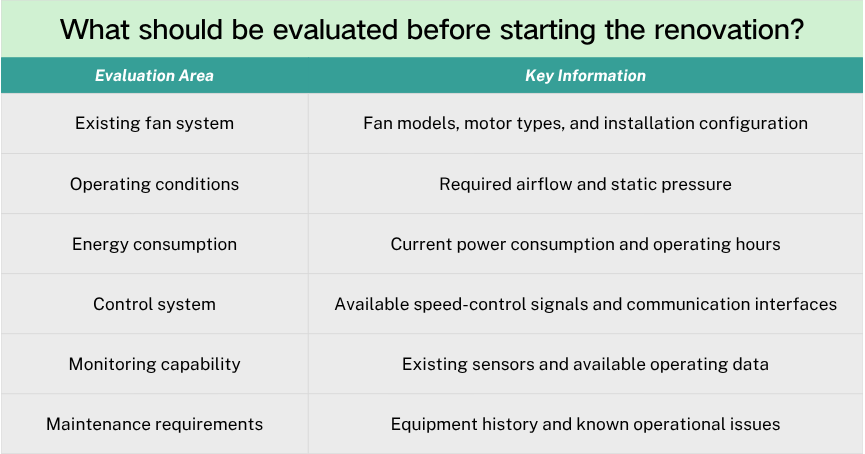
Figure4. What should be evaluated before starting the renovation?
These factors help determine whether a project requires only fan replacement or a broader upgrade involving control systems, sensors, and digital monitoring.
CONCLUSION: A FAN RETROFIT SHOULD DELIVER VALUE BEYOND INSTALLATION
The Pankow Town Hall Center project demonstrates how EC fan modernization can be combined with digital monitoring to deliver benefits beyond equipment replacement.
The installation of 61 RadiPac EC fans, together with NEXAIRA.Fit, provided both improved fan technology and greater operational visibility. The reported results include 46% energy savings, approximately €76,000 in cost savings, and a payback period of less than three years.
For the HVAC industry, the broader lesson is clear:
The next generation of fan retrofitting is not just about installing more efficient fans. It is about making system performance measurable, operational conditions more transparent, and maintenance decisions better informed.
At BeijingHengrui, we support customers with industrial fan identification, EC fan selection, product matching, and technical support for replacement and retrofit projects.
Whether you are upgrading an AHU or modernizing an existing ventilation system, the first step is to understand the actual operating requirements.
A successful retrofit starts with the right fan selection—and continues with a clear understanding of how the system performs.
 whatsapp


