
 English
 Français
 Deutsch
 Português
 Español
 русский
 한국어
 العربية
 Italiano
 Indonesia
 Schweiz
 Polski
 Nederlands
 ישראל - עברית
 Perzisch
 ไทย
 日本語
 ኢትዮ-አማርኛ
 Việt Nam
 Kiswahili
 Srpski
 Ελληνικά
 简体中文
ABB's $2.65 Billion Acquisition of Ziehl-Abegg: Three Shifts Reshaping the Air Technology Industry
Figure1.ABB to acquire Ziehl-Abegg(Source|ABB)
Two major transactions have recently drawn attention across the air technology industry.
In August 2026, Madison Air announced an agreement to acquire ebm-papst. In November 2026, ABB announced an agreement to acquire Ziehl-Abegg. Although the transactions involve different companies and strategic approaches, both highlight the growing importance of air movement technology in HVAC, industrial cooling, and thermal management.
These developments raise a broader question: As the air technology industry evolves, what should equipment manufacturers, system integrators, contractors, and other customers pay attention to?
Beyond the transactions themselves, three industry shifts deserve closer attention.
01 — Will These Acquisitions Change the Way Fans Are Selected and Integrated?
Traditionally, fan selection has focused on airflow, static pressure, efficiency, noise, dimensions, and reliability. These fundamentals remain essential, but modern equipment increasingly requires fans to work seamlessly with motors, drives, and control systems.
For AHU manufacturers and HVAC system integrators, this means considering not only fan performance, but also control compatibility, system configuration, and operating conditions.
ABB's planned acquisition of Ziehl-Abegg reflects this trend, with EC fans and integrated motors complementing ABB's existing motors and drives portfolio. Madison Air's agreement with ebm-papst similarly brings together complementary airflow technology, engineering capabilities, and market access.
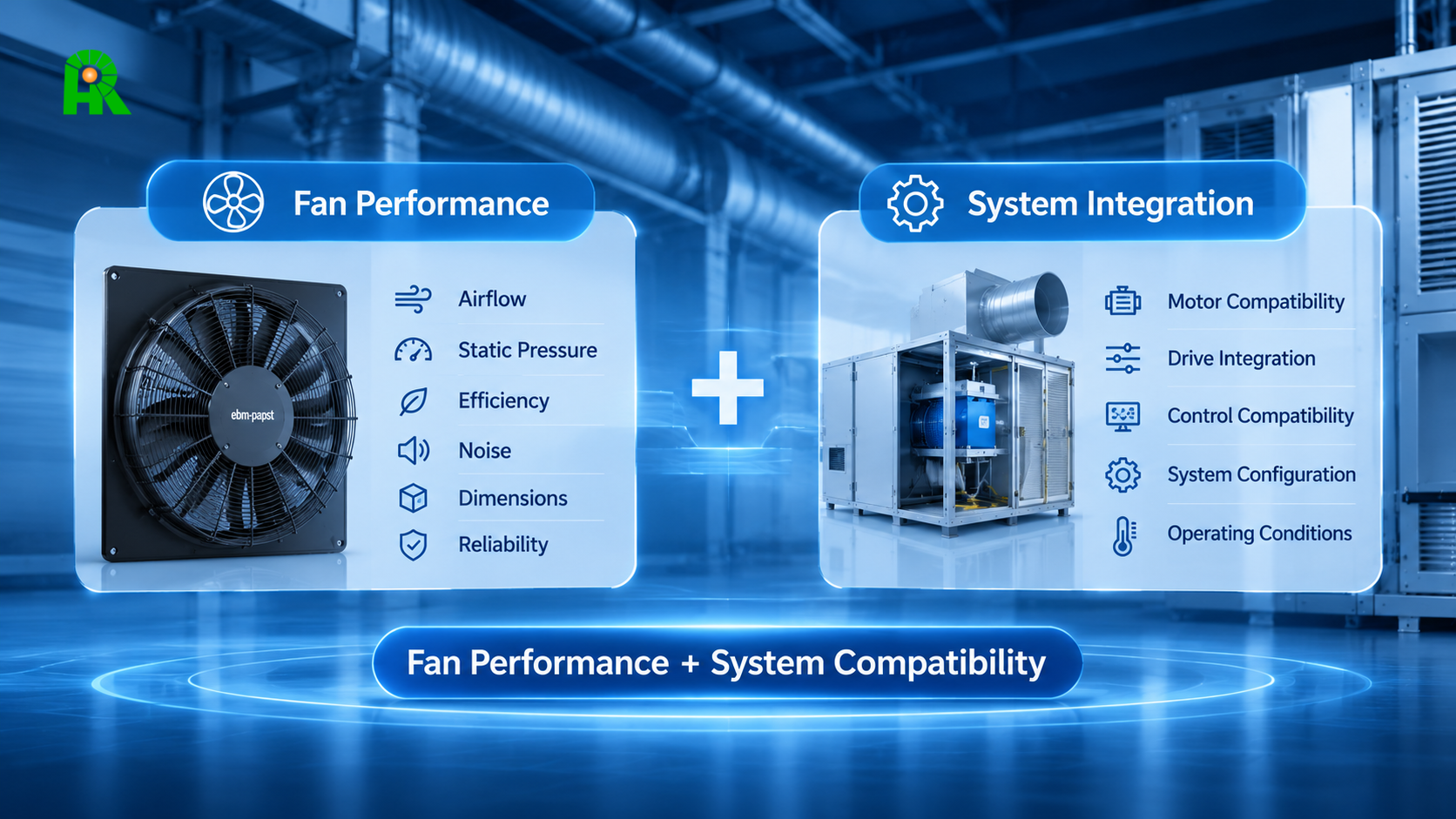
Figure2. Fan performance is the foundation, and system compatibility is equally important
However, this does not mean every project requires a single-brand solution. Cross-brand compatibility and application-specific selection remain important.
Ultimately, the selected fan must perform reliably within the actual equipment and operating conditions.
The key point: Fan performance remains the foundation, but system compatibility and application-based selection are becoming increasingly important.
At BeijingHengrui, this is also central to our approach to fan selection. With access to multiple industrial fan brands, we support customers in comparing suitable options based on equipment requirements, operating conditions, installation dimensions, and technical specifications.
02 — What Does the Growth of AI Infrastructure Mean for Air Technology?
AI infrastructure is reshaping data center design, particularly in power density and thermal management.
As computing loads increase, traditional air cooling may not be sufficient for every high-density application. Liquid cooling, including direct-to-chip solutions, is therefore gaining attention.
Does this mean air technology will become less important?
Not necessarily. Liquid cooling changes how heat is transferred, but it does not eliminate the need for air-side thermal management. The role of fans depends on the facility's cooling architecture, equipment configuration, and operating requirements.
Even in liquid-cooled data centers, air movement may still be needed in several areas:
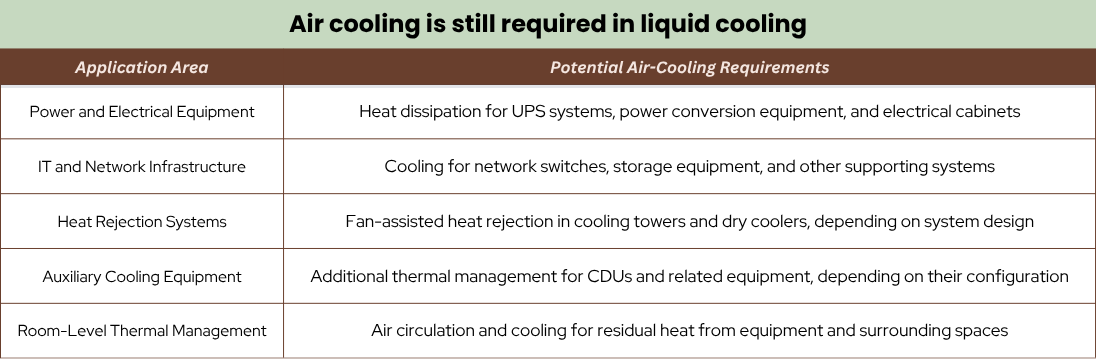
Figure3. Air cooling is still required in liquid cooling
These are potential applications, not a standard configuration for every data center. For equipment manufacturers, cooling contractors, and system integrators, the key is to identify where air cooling remains necessary and how it interacts with liquid-based systems.
The key point: Liquid cooling may change where air technology is used, but it does not eliminate the need for air-side thermal management.
BeijingHengrui follows developments in data center cooling and provides industrial fan sourcing and selection assistance for relevant applications, including dry coolers, cooling towers, and auxiliary equipment cooling. The appropriate product still needs to be matched to the actual operating point and system requirements.
03 — What Should Customers Expect from Their Fan Suppliers in a Changing Industry?
As the air technology industry becomes more integrated, customers are paying closer attention to product availability, model continuity, technical support, and delivery reliability.
The recent acquisitions involving ABB and Ziehl-Abegg, as well as Madison Air and ebm-papst, highlight the growing strategic importance of air movement technology in the global HVAC and industrial cooling markets. However, the scale of a company or its global presence alone does not define a supplier's value.
Several practical capabilities remain important:
- Product availability and sourcing
Can the supplier identify the correct model and confirm its availability? Can it provide alternatives when a product is difficult to source?
- Model identification and replacement
When an existing fan is discontinued or a replacement is required, can the supplier help identify a technically suitable alternative? This requires more than comparing model numbers. Dimensions, airflow, static pressure, electrical characteristics, control requirements, and operating conditions all need to be considered.
- Technical communication and selection support
Can the supplier understand the application and help clarify the information required for product selection? Timely technical communication can make the sourcing process more efficient, especially when customers and suppliers operate in different countries.
- Delivery and supply coordination
Can inventory be checked, delivery requirements coordinated, and product sourcing aligned with project schedules?
These capabilities are particularly relevant to international customers who may work with equipment from multiple brands and need dependable communication across different markets.
The key point: In a changing industry, a reliable fan supplier should offer more than product availability. Technical matching, clear communication, and supply coordination also matter.
Conclusion —Finding the Right Fan Partner for Your Application
As the air technology industry evolves, customers need more than access to fan products. They need suitable product options, reliable sourcing, and technical support that helps address their specific application requirements.
BeijingHengrui supports industrial customers with:
- Multi-brand product resources — Access to a range of established industrial fan brands.
- Fan selection assistance — Technical matching based on airflow, static pressure, operating conditions, and installation requirements.
- Reliable supply coordination — Inventory checks, model identification, replacement options, and delivery coordination.
- Responsive technical support — Clear communication and assistance throughout the product sourcing and selection process.
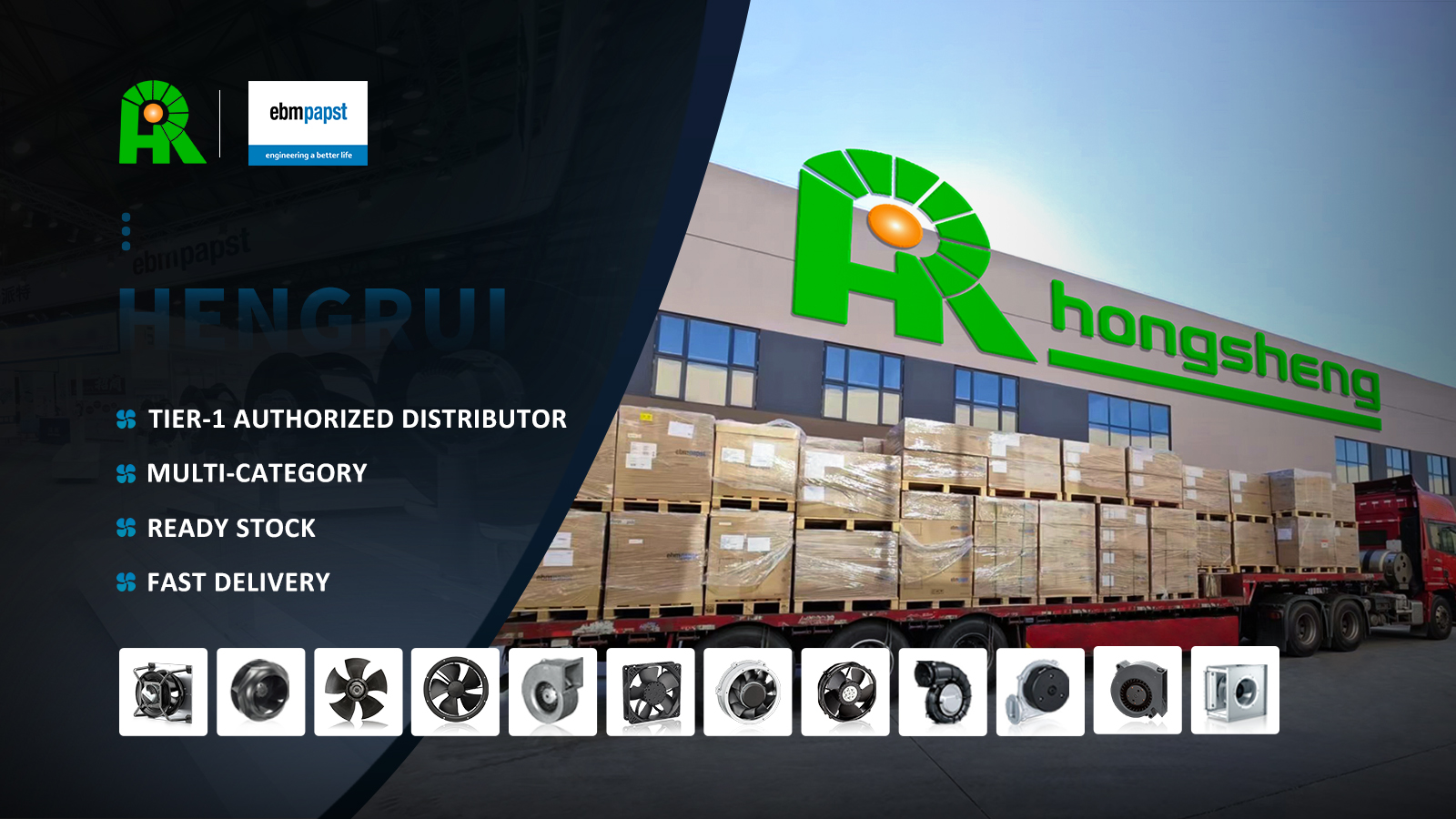
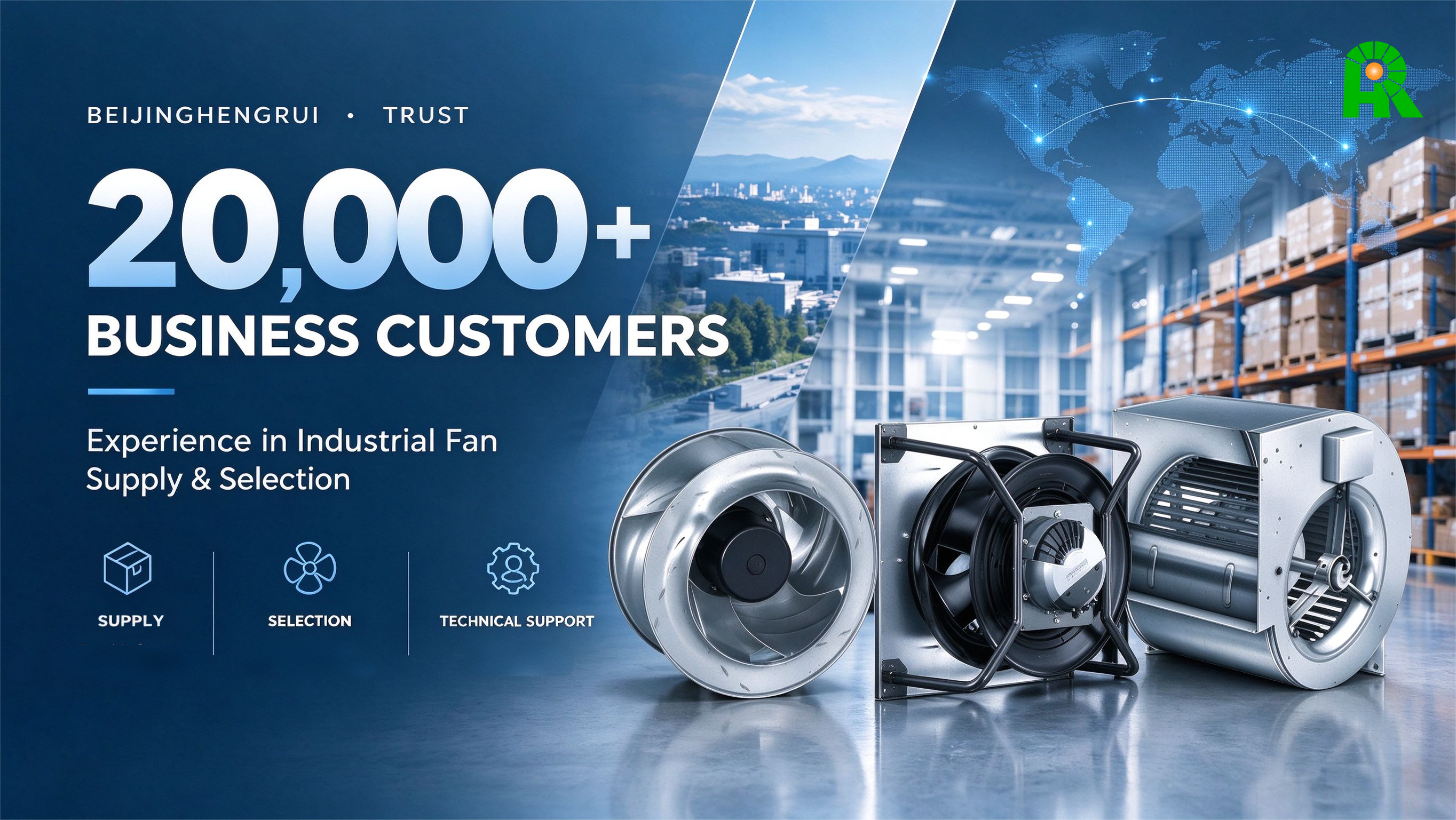
Looking for a suitable fan or an alternative for an existing model?
Contact BeijingHengrui with your fan model, equipment details, or operating requirements. Our team can help you explore suitable product options and provide fan selection assistance.
 whatsapp


