
 English
 Français
 Deutsch
 Português
 Español
 русский
  한국어
한국어 العربية
 Italiano
 Indonesia
 Schweiz
 Polski
 Nederlands
 ישראל - עברית
 Perzisch
 ไทย
ไทย 日本語
日本語 ኢትዮ-አማርኛ
 Việt Nam
 Kiswahili
 Srpski
 Ελληνικά
 简体中文
简体中文Behind Every Live Broadcast Is a Cooling System That Can't Afford to Stop
As millions of fans tune in to watch the world's biggest football tournament, broadcasters around the globe are focused on something very different:
Keeping every live broadcast running without interruption.
While cameras, production equipment, and control rooms often receive the most attention, the infrastructure working behind the scenes is just as critical. Large broadcasting facilities generate significant amounts of heat, making reliable cooling systems essential for continuous operation.
For these environments, cooling towers are far more than auxiliary equipment—they are part of the facility's operational backbone.
One major broadcast facility faced a familiar challenge.
Its cooling towers had operated reliably for years, but the original fan system was no longer delivering the efficiency, reliability, or maintenance performance required for modern operations.
The cooling tower itself remained structurally sound.
 |
|
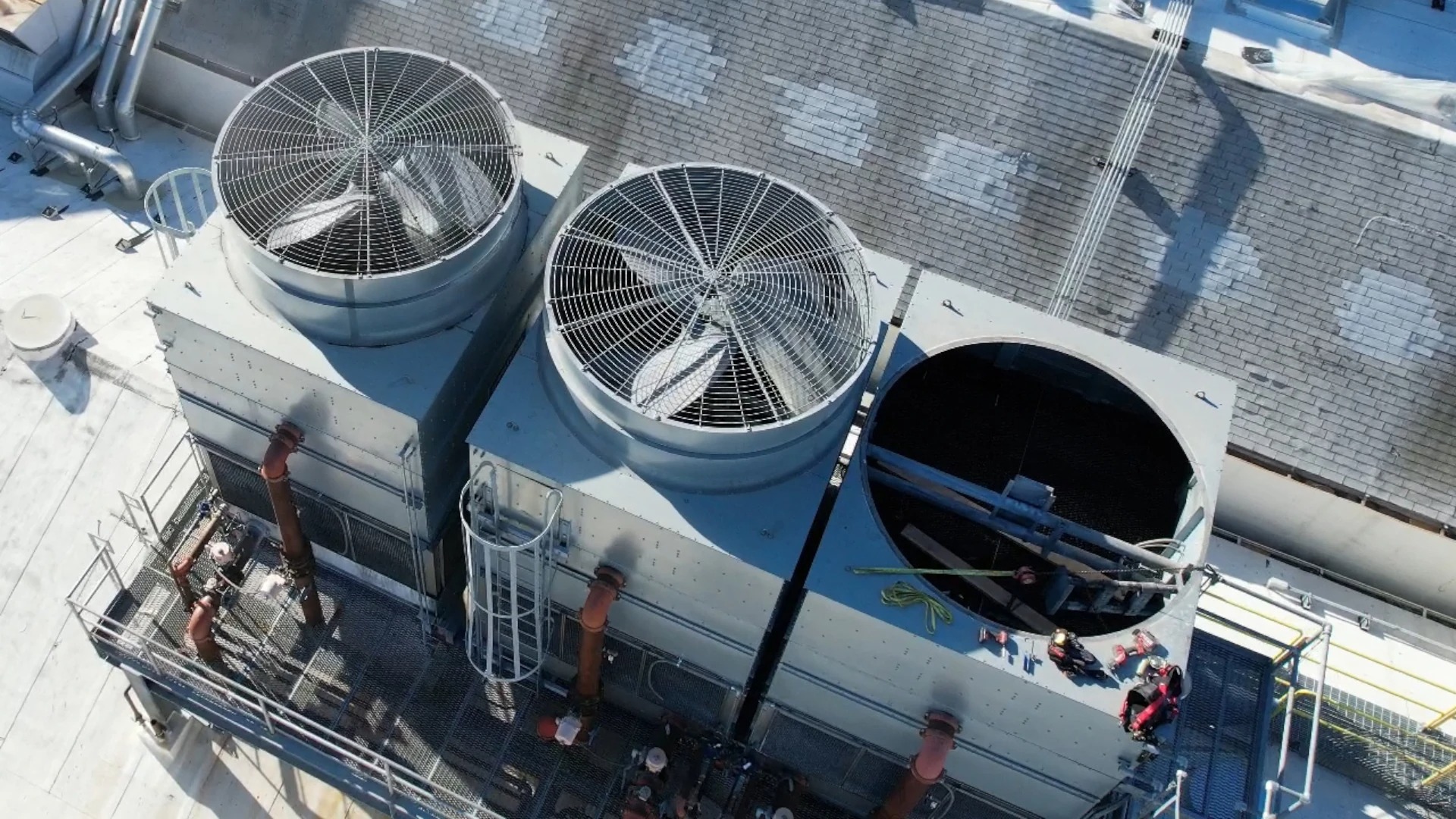
Pic.1 If one of the AC fans, which are prone to failure, breaks down, the entire cooling capacity of the tower suddenly drops. (Image | ACS) |
Replacing the entire system would have required substantial investment, extended downtime, and unnecessary disruption.
The question became:How can cooling performance be improved without replacing the entire cooling tower?
Rather than installing a completely new cooling tower, the project focused on modernizing the most critical component—the fan system.
Using ebm-papst RadiFit EC fan technology, the existing AC fans were replaced with high-efficiency EC fans designed specifically for retrofit applications.
Because the original cooling tower structure remained in place, installation was completed far more quickly than a full replacement while significantly reducing project costs.
 |
|
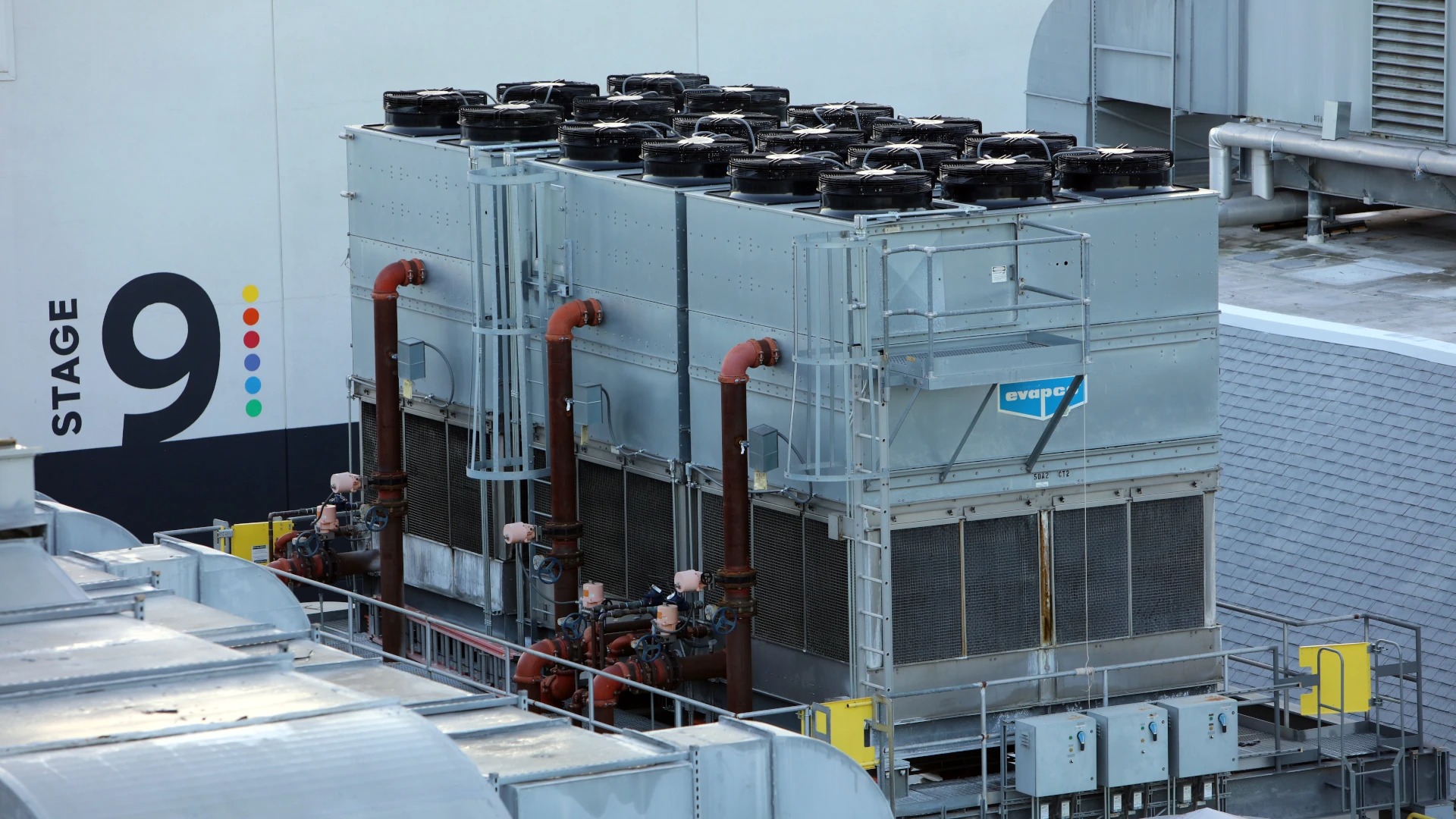
Pic.2 Six AxiBlade fans in each FanGrid ensure optimum operational reliability. (Image I ACS) |
The retrofit delivered benefits well beyond lower electricity consumption.
The upgraded cooling tower now provides:
• Higher energy efficiency through EC motor technology
• Lower operating noise for surrounding environments
• Reduced maintenance thanks to a direct-drive design
• Improved operational reliability for continuous broadcasting
• Extended service life of the existing cooling infrastructure
For facilities where downtime simply isn't an option, these improvements represent long-term operational resilience—not just lower energy bills.
 |
|
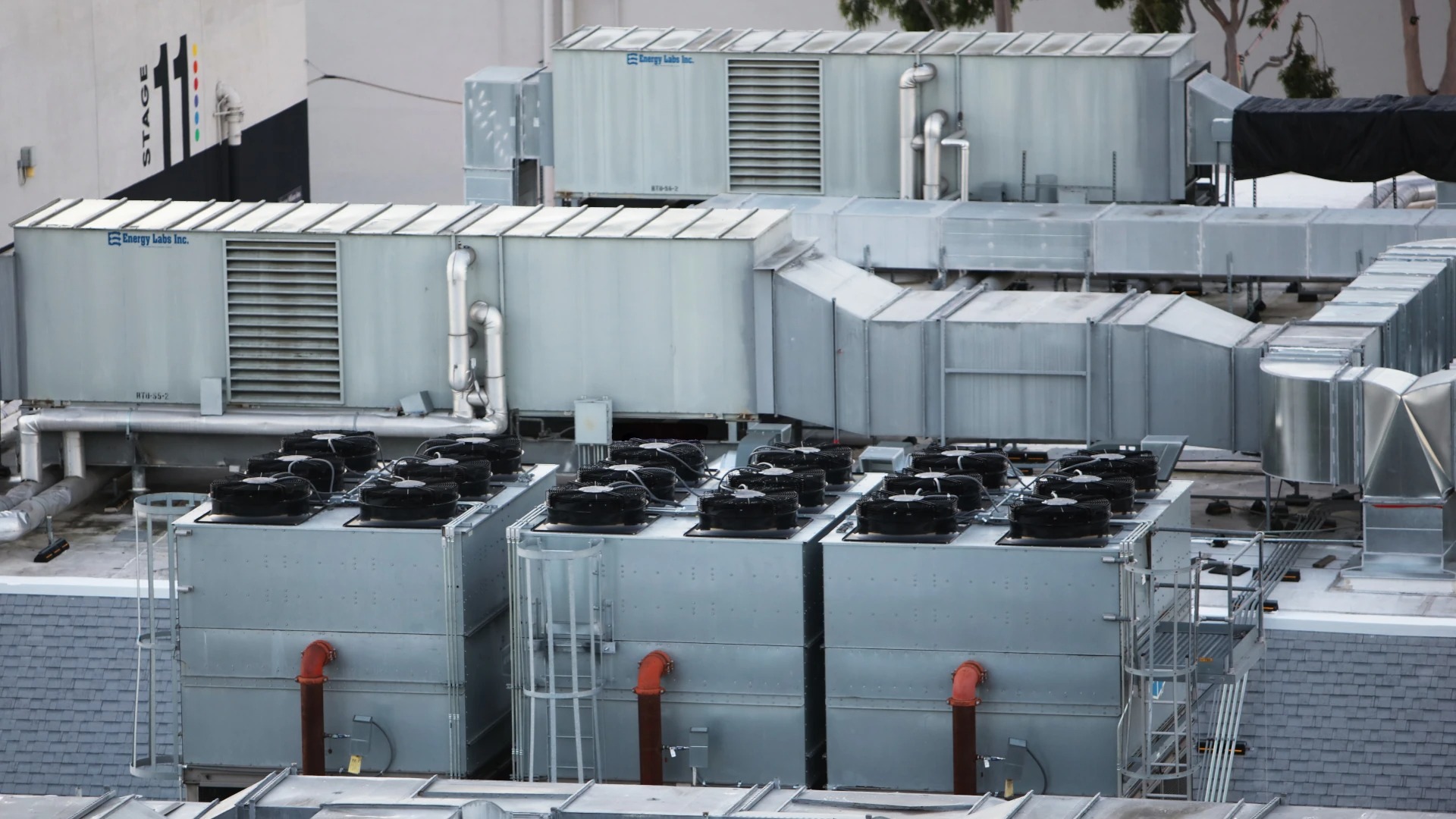
Pic.3 The AxiBlade fans transport the heated air away from the cooling towers. (Image I ACS) |
This project reflects a broader shift taking place across mission-critical industries.
Whether supporting broadcast centers, data centers, hospitals, or commercial buildings, many facility owners are choosing targeted cooling system retrofits instead of complete equipment replacement.
Modernizing key components allows existing infrastructure to remain productive while improving efficiency, sustainability, and lifecycle performance.
♦ Beijing Hengrui's Perspectie
Cooling towers rarely attract attention—until they become a bottleneck.That's why more facility owners are shifting their focus from replacing equipment to optimizing system performance.
At Beijing Hengrui, we believe every retrofit is an opportunity to improve not just energy efficiency, but the long-term reliability of the entire cooling system.Have you encountered similar cooling tower modernization challenges in your facility? Share your experience—we'd love to discuss different retrofit approaches.
 whatsapp


