
 English
 Français
 Deutsch
 Português
 Español
 русский
  한국어
한국어 العربية
 Italiano
 Indonesia
 Schweiz
 Polski
 Nederlands
 ישראל - עברית
 Perzisch
 ไทย
ไทย 日本語
日本語 ኢትዮ-አማርኛ
 Việt Nam
 Kiswahili
 Srpski
 Ελληνικά
 简体中文
简体中文Industrial Cooling Fan Selection: What Information Does a Supplier Really Need?
“I need a 210 mm, 220V cooling fan. Can you find a replacement?”This is a common request when an industrial cooling fan fails. But for accurate fan selection or fan replacement, size and voltage are usually not enough.
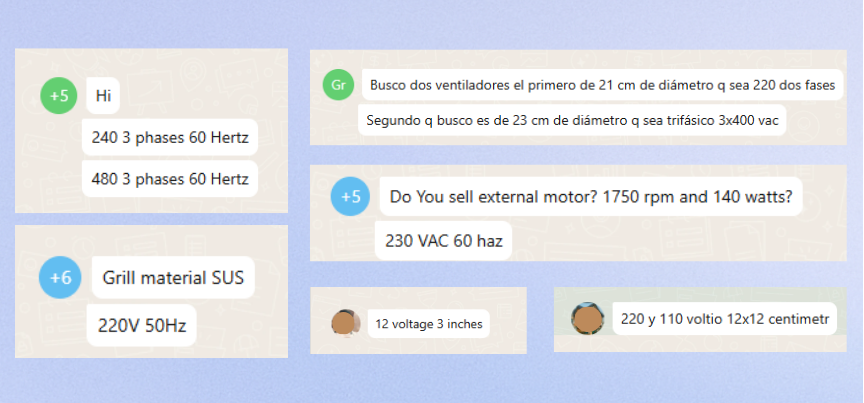
Pic.1 Display of some real customer cases of Beijinghengrui
After supporting more than 20,000 enterprise customers, Beijinghengrui has found that many replacement problems start with one simple issue: not enough information is available at the beginning of the selection process.
So, what information should you provide when selecting an industrial fan or industrial cooling fan?Here are six parameters that should be confirmed before making a selection.
1. Fan Dimensions: Will It Fit?
Start with the physical dimensions.For an existing fan, confirm:
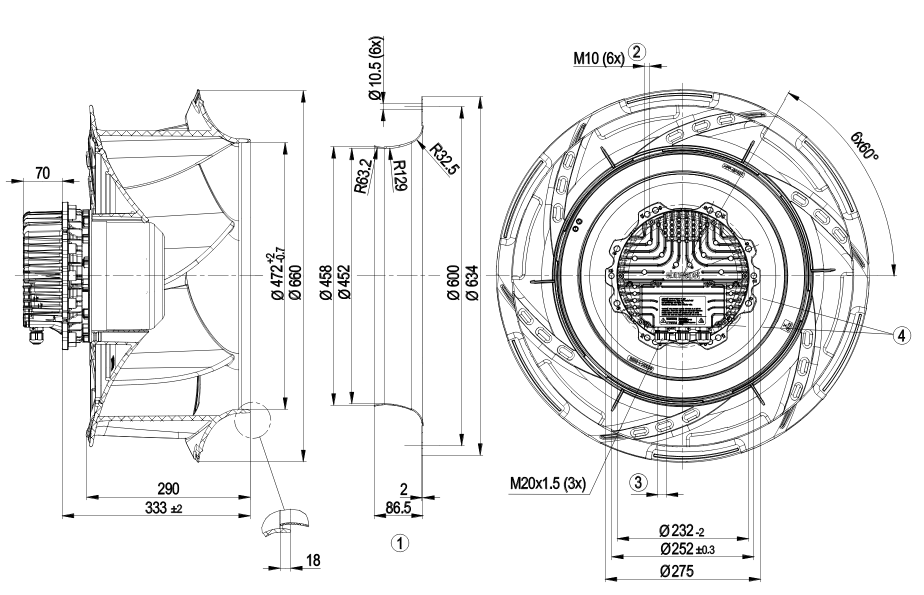
Dimensions determine whether a fan can physically fit into the equipment.But they do not tell you whether the fan can provide the required cooling performance.Two fans with the same external dimensions may have different airflow, pressure, speed, power consumption and control functions.
Size is the starting point of fan selection—not the selection result.
2. Voltage and Frequency: Can It Run Correctly?
The next question is the power supply.
For industrial cooling fan selection, check:
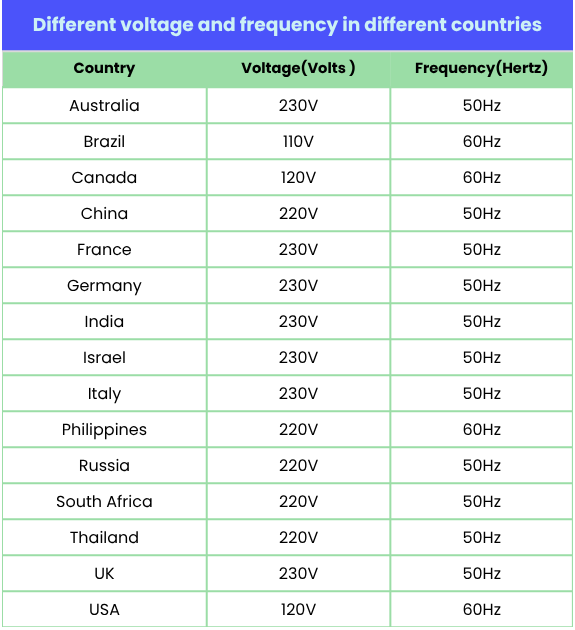
For example, a 24 VDC fan and a 230 VAC fan may have similar dimensions, but they are obviously not interchangeable without considering the equipment's electrical design.
When replacing an existing fan, the nameplate photo is often the fastest way to confirm this information.
3. Airflow / Static Pressure: Can It Actually Cool the Equipment?
This is often the most important part of fan selection.A fan does not operate in free air after installation.Air must pass through the actual equipment, and components such as:
can create airflow resistance.Therefore, the important question is not simply:How much airflow can the fan provide?
It is:How much airflow is required at the actual system pressure?
For a replacement project, the existing fan model can provide a useful starting point.
For a new project, useful information includes the required airflow, system resistance or target operating point.Airflow and static pressure should be evaluated together.
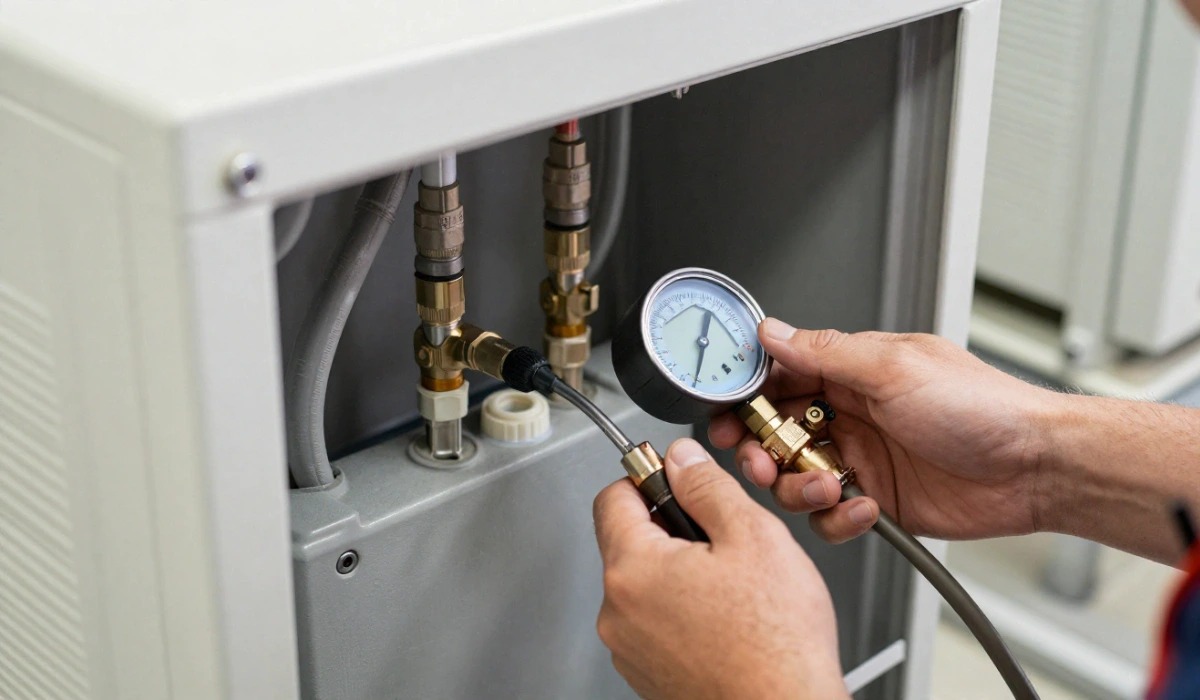
Pic.4 Engineers measure static pressure
4. Operating Environment: Where Will the Fan Work?
A fan that works well in a clean indoor environment may not be suitable for every industrial application.
Confirm the actual operating environment, including:

For equipment installed in factories, power electronics, energy storage systems, refrigeration equipment or other demanding environments, environmental conditions can directly affect fan reliability and service life.
This is why industrial fan selection should consider the application environment, not just the catalog specification.
5. Control Functions: How Does the Equipment Control the Fan?
Modern industrial cooling systems often require more than fixed-speed operation.
Depending on the application, the fan may need:
This information is particularly important when replacing an existing EC fan.
A replacement fan may have similar dimensions and airflow but still be unsuitable if its control interface does not match the equipment.
The fan and the control system need to work as one system.
6. Quantity: How Many Fans Does the Equipment Need?
The final parameter is often overlooked:
How many fans are required?
For a simple enclosure, one fan may be enough.
For larger industrial equipment, multiple fans may be used for:
Therefore, the required quantity should be confirmed during cooling fan selection, especially when the fan is part of a larger thermal-management system.
Why Can't You Replace a Fan by Size Alone?
Consider a typical request:“I have a 172 × 51 mm, 24V fan. I need two replacements.”
This information is useful, but it still leaves several questions unanswered:
What airflow is required?
What system resistance does the fan work against?
What is the operating temperature?
Does the equipment require PWM, 0–10 V or another control signal?
Are the two fans simply operating in parallel, or is redundancy required?
Without these details, a physically compatible fan may still deliver the wrong performance.
That is why fan size matching is not the same as fan selection.
What Should You Send When Requesting a Fan Replacement?
If you already have an existing fan, the fastest way to start is to provide the available information.
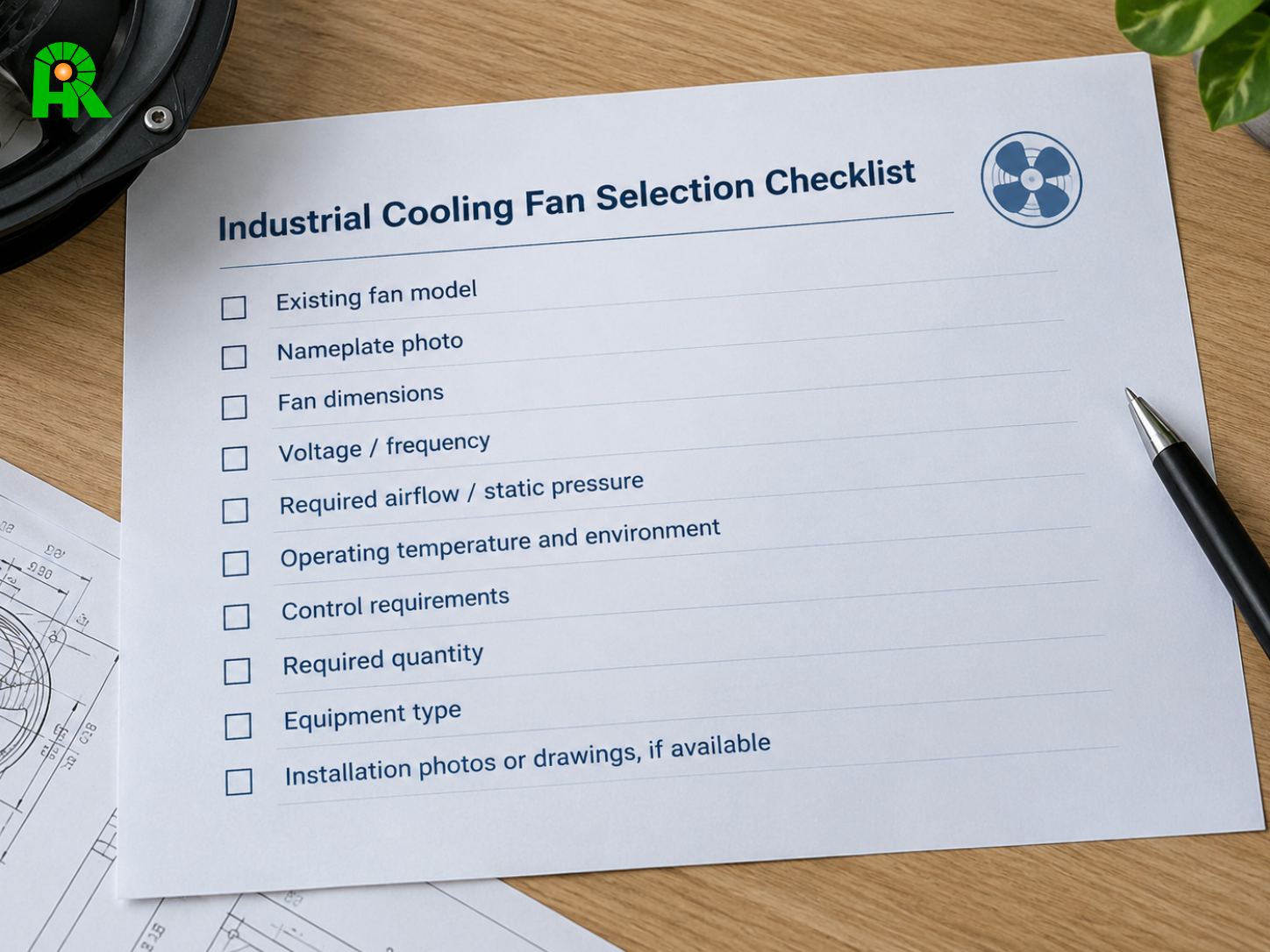
Pic.6 Industrial Cooling Fan Selection Checklist
You may not have every parameter.That is fine.A model number or clear nameplate photo can often provide a useful starting point for model identification and replacement evaluation.
A Practical Selection Sequence
For most industrial cooling fan replacement or new-project inquiries, a practical sequence is: Identify → Confirm → Match → Verify.
Identify:Identify the existing fan model, nameplate and physical configuration.
Confirm:Confirm voltage, airflow, pressure, operating environment and control requirements.
Match:Compare suitable models based on the actual application rather than dimensions alone.
Verify:Check the final fan against installation space, operating point, control interface and required quantity.
This approach helps reduce a common purchasing risk:choosing a fan that fits the equipment but does not perform correctly after installation.
Beijinghengrui Engineering View
Industrial cooling fan selection does not need to start with a complicated calculation.
It starts with the right information.
For an existing fan replacement, a nameplate photo, dimensions, application and quantity are often enough to begin the identification process.
For a new project, airflow, static pressure, temperature, control requirements and installation conditions provide a stronger basis for engineering selection.
At Beijinghengrui, we support customers with fan model identification, replacement selection, cross-reference and engineering fan selection, including applications involving industrial equipment, HVAC, refrigeration, power electronics, data centers and other thermal-management systems.
Have an existing fan to replace? Send us the model or nameplate photo.
Have a new cooling project? Share the airflow, pressure, temperature, dimensions and control requirements.
 whatsapp


